National Nutrition Survey Highlights
Understanding Nutrition Surveys
National nutrition surveys are systematic research efforts designed to measure nutrient intake and nutritional status across populations. In the United Kingdom, the National Diet and Nutrition Survey (NDNS) is the primary source of data on dietary patterns and nutrient intake.
These surveys provide population-level information about nutritional trends but do not apply uniformly to individuals. They describe typical patterns, not universal truths.
Key NDNS Findings
Recent UK National Diet and Nutrition Survey data reveals several patterns in population-level nutrient intake:
Vitamin D Status
Vitamin D intake and status is a notable concern across the UK population, particularly in winter months. Limited natural food sources and reduced sun exposure in northern latitudes contribute to this pattern across demographics.
Fibre Intake
Many adults across the UK consume less fibre than recommended. Adequate fibre intake typically requires regular consumption of whole grains, legumes, fruits, and vegetables.
Iron Intake Variability
While iron intake is generally adequate across most demographics, some groups show variation. Bioavailability differences between sources affect actual iron status beyond dietary intake levels.
Calcium Intake Patterns
Calcium intake correlates with dairy consumption patterns. Those with lower dairy intake must ensure alternative sources like leafy greens, fortified foods, or legumes.
Iodine Status
Iodine intake varies across populations depending on seafood consumption, dairy intake, and salt consumption (salt is often fortified with iodine in processed foods).
Micronutrient Variation
Many micronutrient intake levels show demographic variation based on dietary pattern diversity, age, and socioeconomic factors affecting food access.
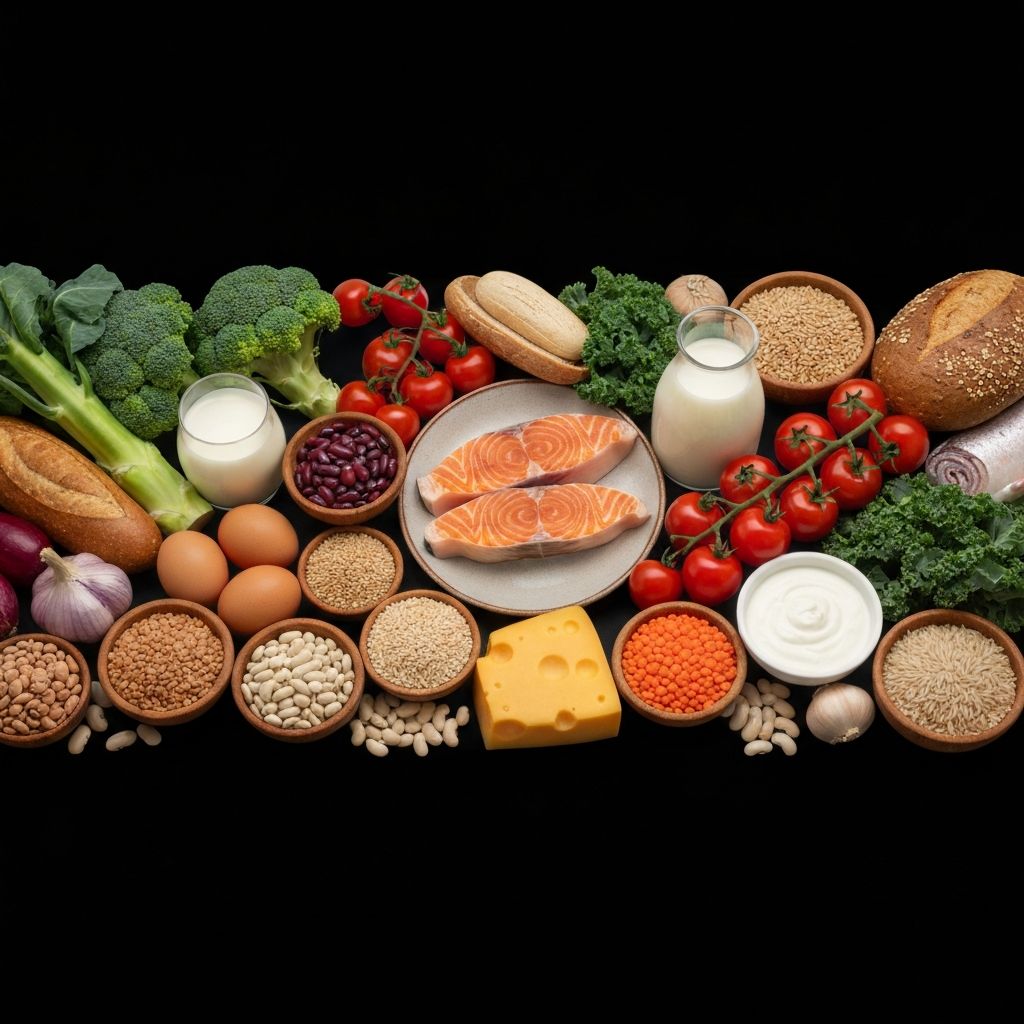
Demographic Variation
Age differences: Nutrient needs and intake patterns vary significantly across age groups. Older adults may have different absorption capacity and dietary patterns than younger adults.
Gender differences: Certain nutrients show gender-based patterns. For example, iron requirements differ between menstruating and non-menstruating individuals.
Dietary pattern differences: Those following plant-based diets show different micronutrient intake profiles compared to those consuming animal products, particularly regarding vitamin B12 and certain minerals.
Socioeconomic factors: Food access and diversity can influence nutrient intake patterns across populations.
Survey Limitations
It's important to understand that nutrition surveys have inherent limitations:
- Surveys measure intake, not absorption (bioavailability)
- Nutrient databases contain average values; individual foods vary
- Seasonal variations affect nutrient availability and consumption patterns
- Individual variation is substantial; population averages mask diversity
- Surveys cannot predict individual outcomes or needs
- Food preparation and cooking methods affect nutrient content
Interpreting Population Data
Population-level findings provide context for understanding nutritional trends but should not be misinterpreted as:
- Universal truth applicable to all individuals
- Predictors of personal nutritional status or outcomes
- Deterministic of individual health based on intake patterns
- Sufficient for personalised dietary recommendations
Survey data describes populations; individual circumstances are far more complex.
Why Surveys Matter
Nutrition surveys are valuable for:
- Understanding population-level dietary patterns
- Identifying nutrients of concern in specific demographics
- Informing public health policy discussions
- Providing context for understanding nutritional science
- Tracking changes in dietary patterns over time
Key Takeaways
Educational Information: National nutrition surveys reveal population-level patterns in dietary intake and nutrient consumption. UK surveys have identified several nutrients of potential concern across demographics, including vitamin D, fibre, and others. However, population-level data describes trends, not individual circumstances, which are far more complex and variable.
This is informational content only. Individual nutritional status, needs, and dietary patterns vary substantially. For personal nutritional assessment or guidance, consult qualified healthcare professionals.